

Our Projects
View our current and past projects aimed at serving the community — educational support, health camps, and social welfare initiatives.
What We Do
Each project reflects our commitment to changing lives and spreading happiness across Nagpur and MIHAN Town.

Charter Day Celebration
An annual gathering marking the founding of Rotary Club of Nagpur MIHAN Town, bringing members and community together to reflect on our journey of service.
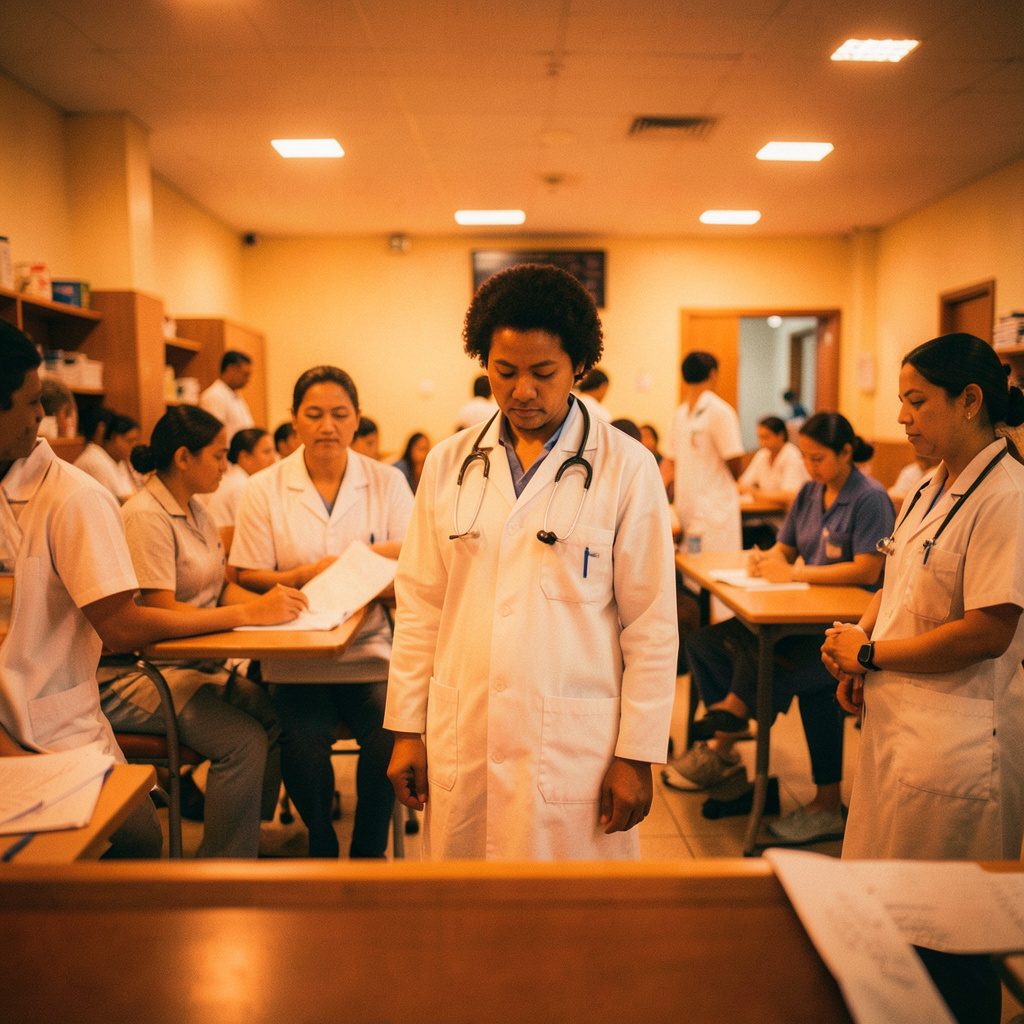
Medical Checkup Camps
Free health screening camps organized for underserved communities, offering basic checkups and health awareness to those who need it most.
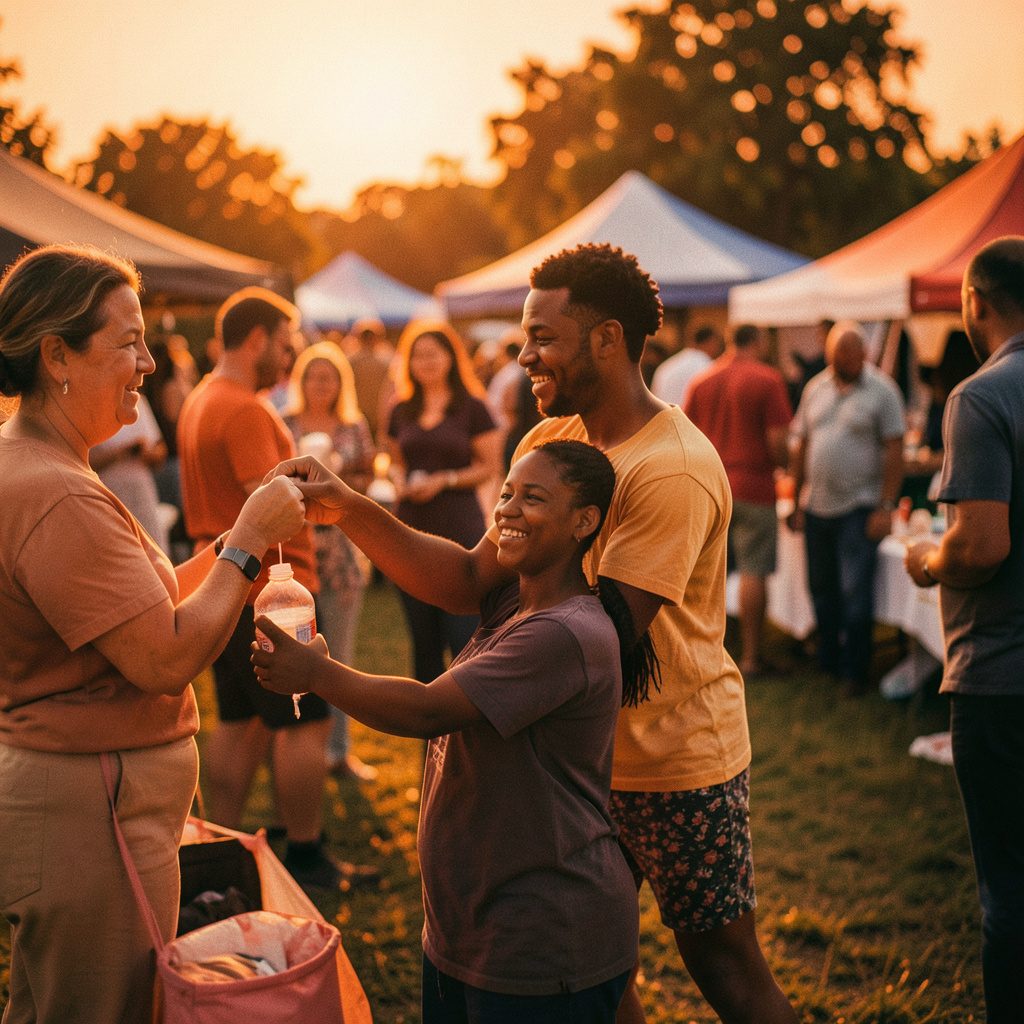
Blood Donation Camps
Regular blood donation drives that help replenish local blood banks and save lives across Nagpur.

Elearning Kit Initiative
Providing digital learning tools and resources to students, bridging the technology gap in local schools and supporting the TEACH program.
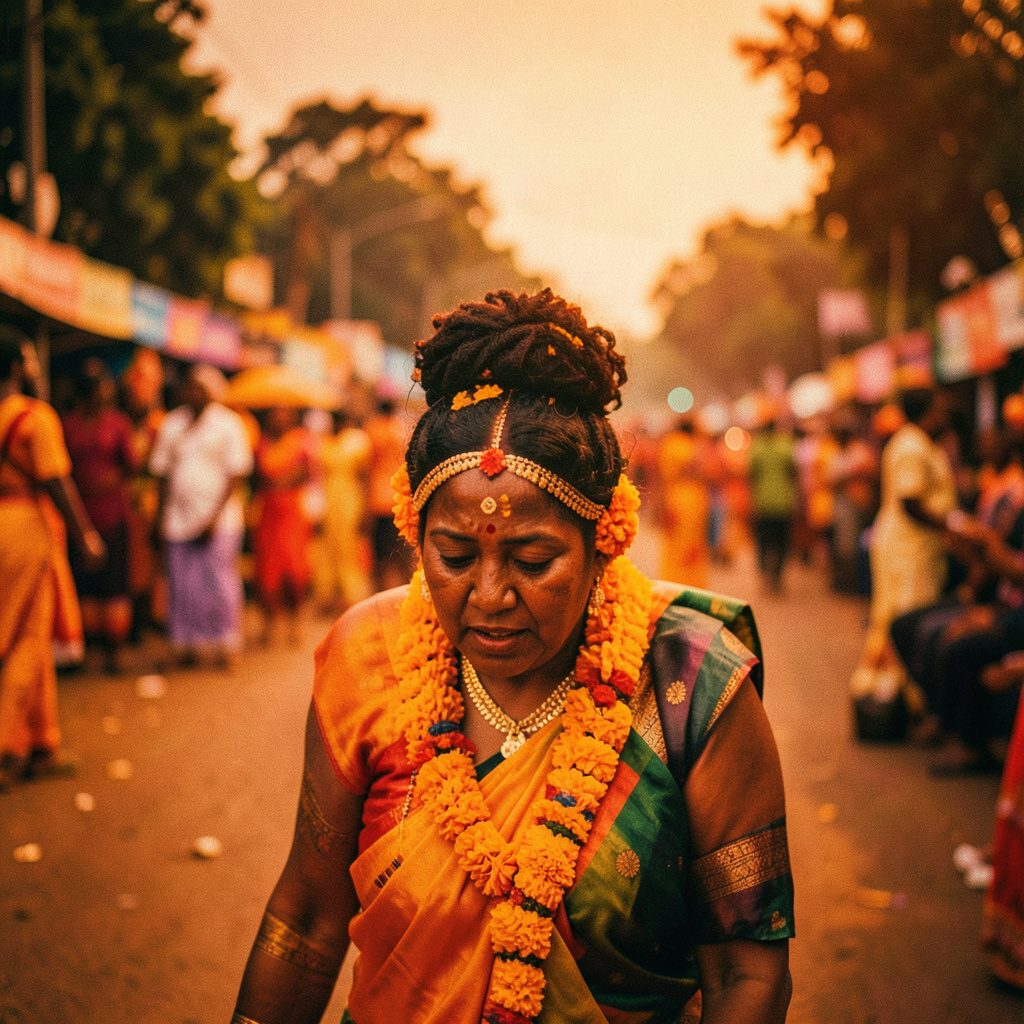
Spread Happiness Campaign
A community outreach effort focused on bringing joy and essential support to villagers and families through thoughtful acts of service.
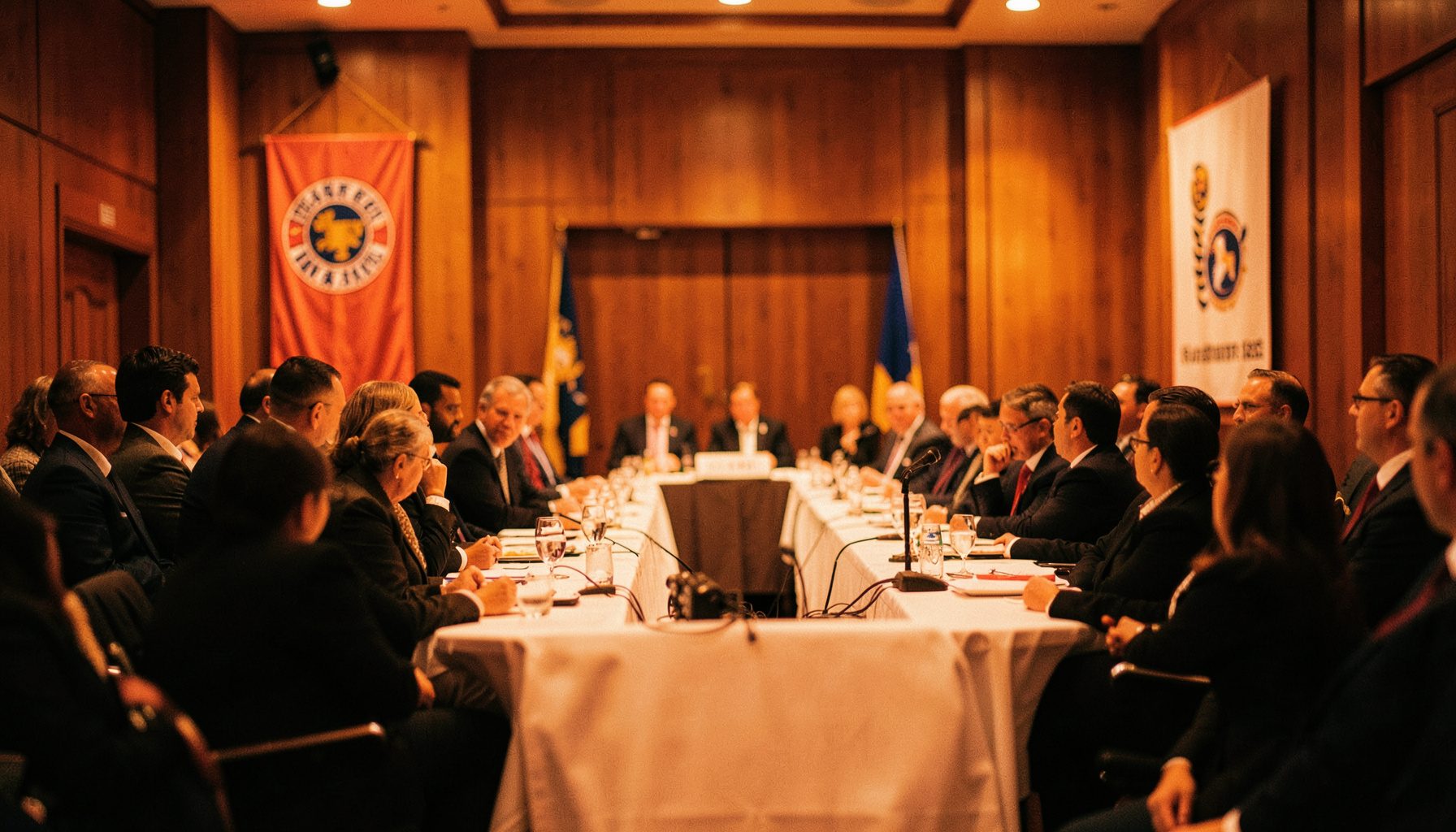
DG Visit
Coverage of the District Governor's visit to our club, strengthening ties with Rotary District 3030 and reviewing our ongoing initiatives.
Community service projects form the heart of how a Rotary club translates its ideals into tangible change. From small neighbourhood clean-ups to longer-running initiatives in education and health, each project is shaped by local needs and the willing hands of volunteers who show up week after week. The club's approach tends to favour steady, practical involvement over one-off gestures, recognising that lasting outcomes grow from patient relationships with the communities being served. Members often describe this work as the most rewarding part of belonging to Rotary, where ideas discussed in a meeting slowly become real resources, real classrooms, and real care for people who might otherwise be overlooked by larger institutions.</item>
Educational support is a frequent focus across many Rotary projects, especially in areas where schools face shortages of basic materials. Clubs typically contribute through learning kits, teacher recognition, scholarships, and modest infrastructure upgrades that help classrooms function more smoothly. Volunteers may also run mentorship sessions or spoken-English and digital-literacy workshops, guided by the belief that confidence in the classroom opens doors well beyond school. These efforts are rarely flashy; they are designed to be reliable, repeatable, and respectful of the educators already doing the work. By listening first and contributing second, the club tries to ensure that support supplements rather than displaces existing commitment from families and teachers who know their students best.</item>
Health camps remain one of the most visible ways Rotary clubs reach villagers and underserved neighbourhoods. A typical day might include basic medical check-ups, blood-sugar and blood-pressure screening, dental awareness, and referrals to nearby hospitals for cases that need follow-up. Rotary partnerships with local doctors and diagnostic labs make these camps possible, while Rotaract and Interact members handle the logistics, from registration desks to queue management. Beyond treatment, the emphasis is on prevention and awareness, with short talks on nutrition, hygiene, and the importance of regular screening. For many attendees, the camp is their first structured interaction with a healthcare provider in months, making the day's outreach both immediate in relief and longer-term in the habits it encourages.</item>
Social welfare initiatives often grow quietly out of conversations between members who notice a gap that no one else seems to be addressing. A club might help install water filters in a school, support a women's self-help group with seed funding, or organise a blood-donation drive in partnership with a regional blood bank. These projects are usually modest in scale but carefully chosen, and they rely heavily on partnerships with local NGOs, panchayats, and civic groups. Recognition from Rotary International, including avenues of service awards, adds credibility without changing the underlying humility of the work. The aim is to leave a community slightly more capable than it was before, rather than dependent on outside help indefinitely.</item>
Sustaining these projects depends on more than money; it depends on people, planning, and shared memory. Annual magazines, newsletters, and photo galleries keep members and supporters connected to the work between events, while tools like shared calendars and project documentation help new volunteers get oriented quickly. Lessons learned from past projects feed into the design of the next, creating a quiet institutional wisdom that strengthens over time. Club boards review ongoing commitments at regular intervals, balancing current projects with the energy needed to plan new ones. In this way, service becomes a continuous practice rather than a series of isolated campaigns, and the habit of showing up for others becomes woven into the identity of the club itself.</item>